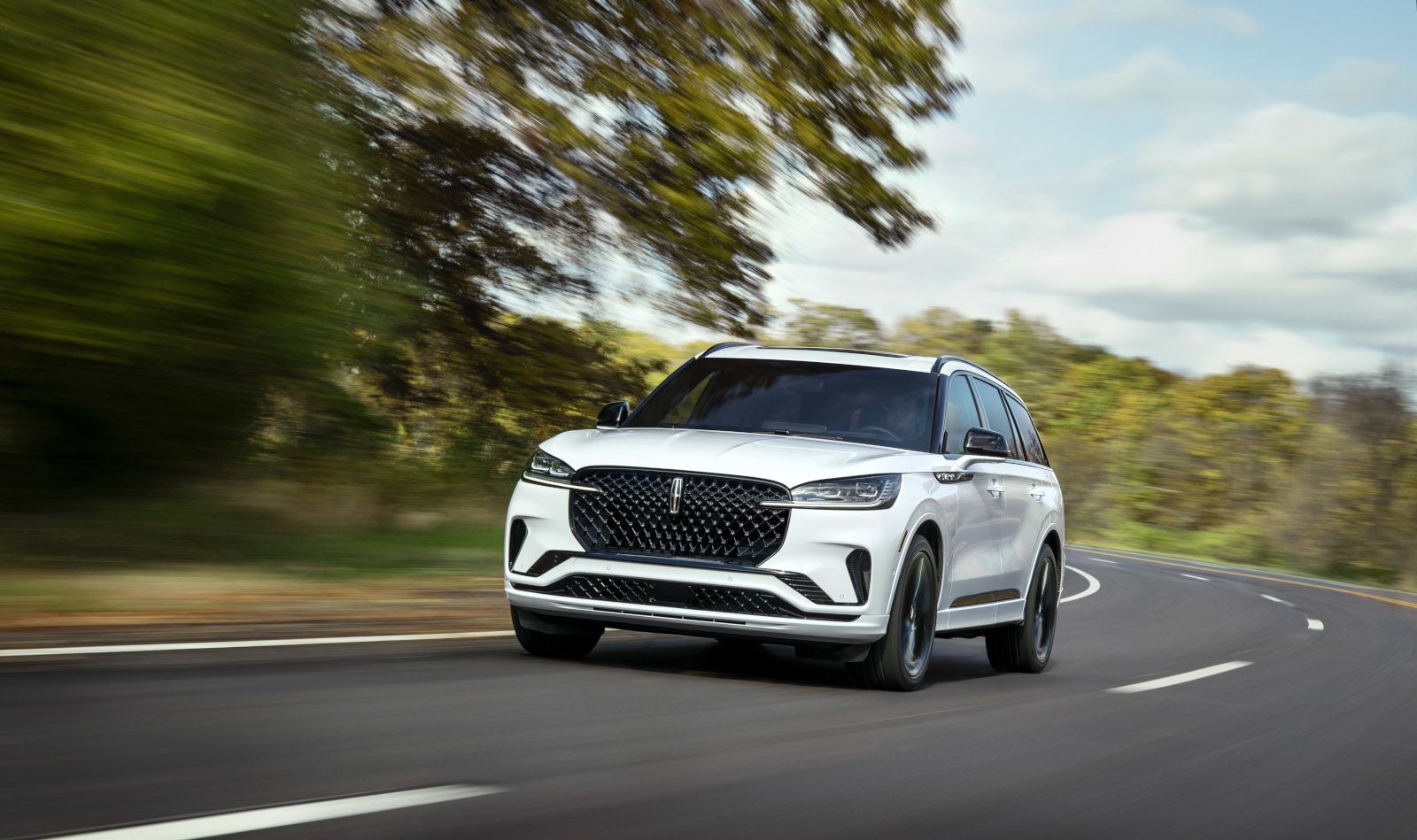
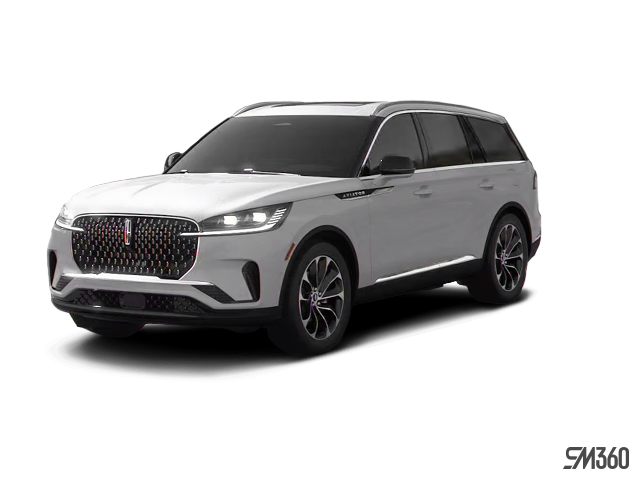
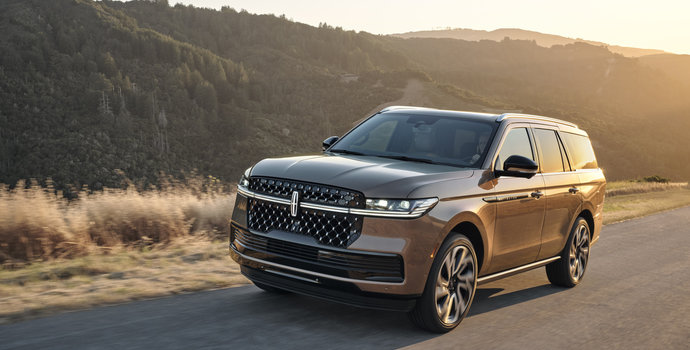
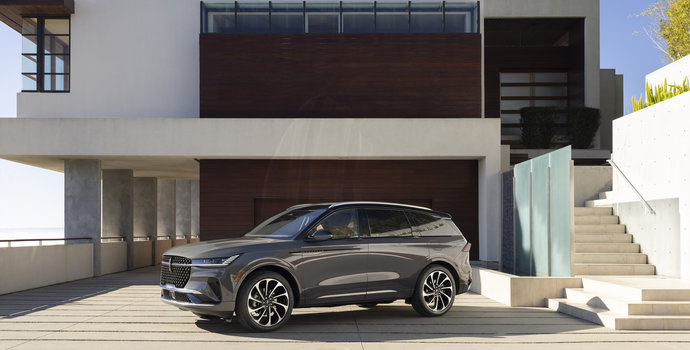
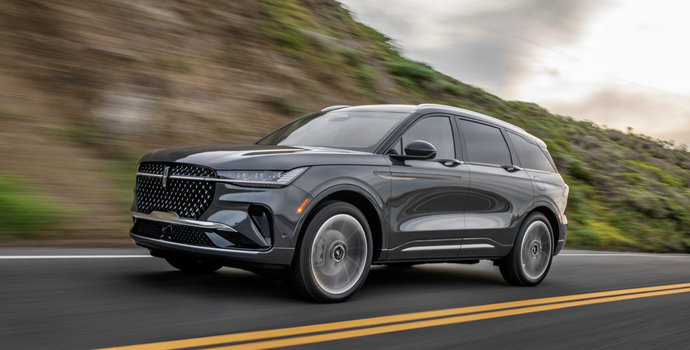
Choosing between two Lincoln models means selecting from the upper echelon of American luxury. Both the 2026 Aviator and 2026 Nautilus deliver refined interiors, advanced technology, and the signature Lincoln experience Ontario drivers expect. The decision comes down to your specific needs: three-row capability and commanding performance versus midsize efficiency and advanced design.
The Aviator positions itself as Lincoln's three-row flagship SUV, built for families who need genuine passenger capacity alongside powerful performance. The Nautilus takes a different approach, offering a two-row midsize platform with distinctive styling and hybrid efficiency options. Understanding which vehicle aligns with your priorities requires examining what each brings to the luxury segment.
|
Feature
|
Lincoln Aviator
|
Lincoln Nautilus
|
|
Engine
|
Twin-turbocharged 3.0L V6
|
2.0L turbo four-cylinder / 2.0L turbo hybrid
|
|
Horsepower
|
400 hp
|
250-310 hp
|
|
Torque
|
415 lb-ft
|
280 lb-ft
|
|
Transmission
|
10-speed SelectShift automatic
|
8-speed automatic / CVT (hybrid)
|
|
Seating
|
Three rows
|
Two rows
|
|
Display Technology
|
13.2" touchscreen + 12.4" cluster
|
48" panoramic display + 11.1" touchscreen
|
|
Hands-Free Driving
|
BlueCruise
|
BlueCruise
|
Performance Architecture: Power Versus Efficiency
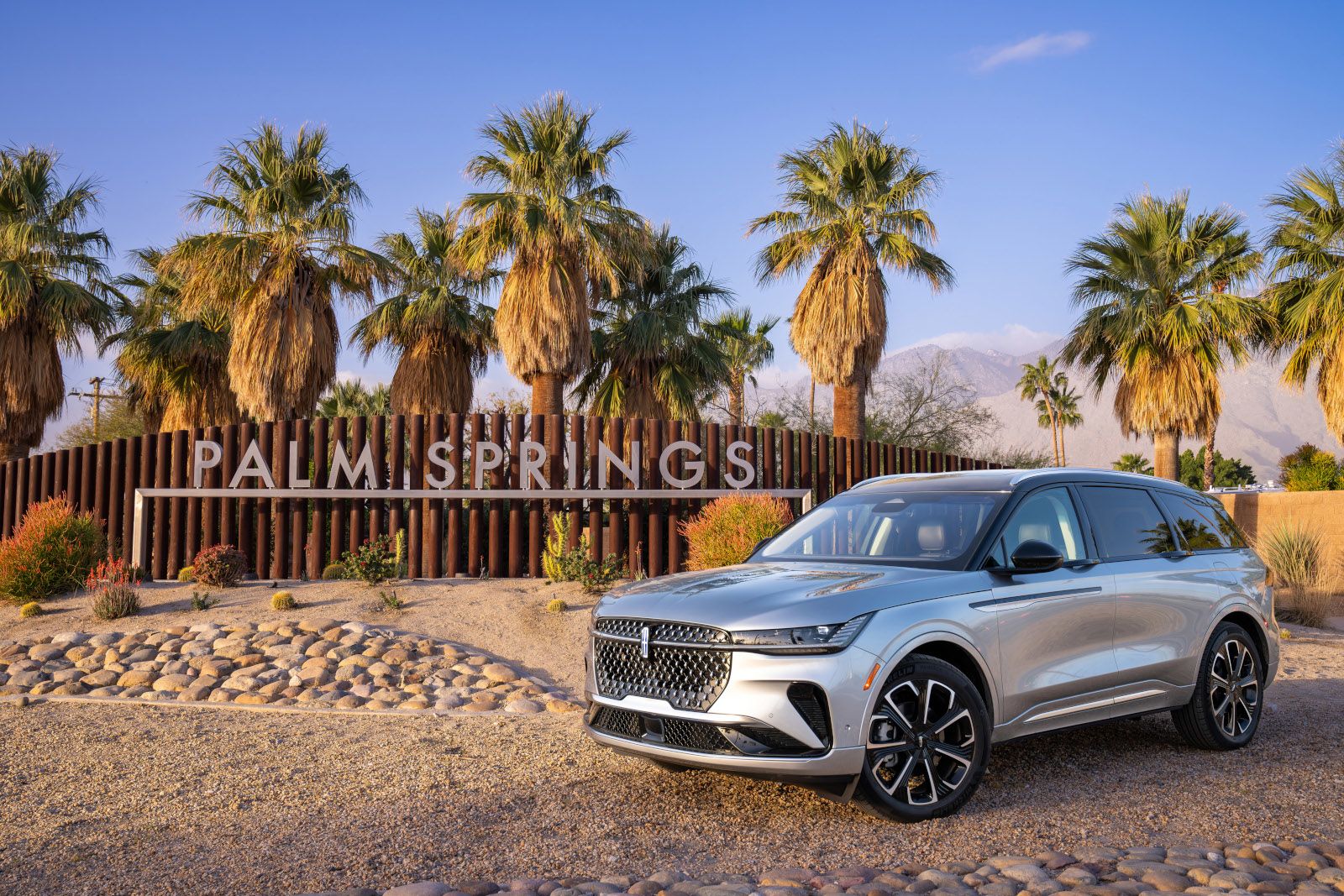
The Aviator's twin-turbocharged 3.0-litre V6 generates 400 horsepower and 415 lb-ft of torque, delivered through a 10-speed SelectShift automatic transmission. This powertrain provides immediate throttle response and confident highway passing capability. The Adaptive Suspension system adjusts damping rates in real time, maintaining composed handling even when carrying passengers in all three rows.
Explore Lincoln Lineup
Step into the future with our versatile and powerful SUVs at Bayfield Lincoln, where cutting-edge technology and luxury come together for an exceptional driving experience.
Shop Now
The Nautilus offers two powertrain choices. The standard 2.0-litre turbocharged four-cylinder produces 250 horsepower and 280 lb-ft of torque, paired with an eight-speed automatic transmission. Buyers prioritizing fuel efficiency can select the available hybrid variant, which combines a 2.0-litre turbocharged engine with electric assist for 310 horsepower and a continuously variable automatic transmission.
Drivers who regularly merge onto Highway 401 or need strong acceleration for towing will find the Aviator's 90-horsepower advantage delivers noticeable performance gains. The additional torque translates to more confident passing at highway speeds and better capability when equipped with the Class III Trailer Tow Package. The Nautilus prioritizes efficiency over outright power, which suits buyers whose driving patterns emphasize city and suburban routes rather than heavy hauling or frequent highway travel.
Interior Space and Passenger Capacity
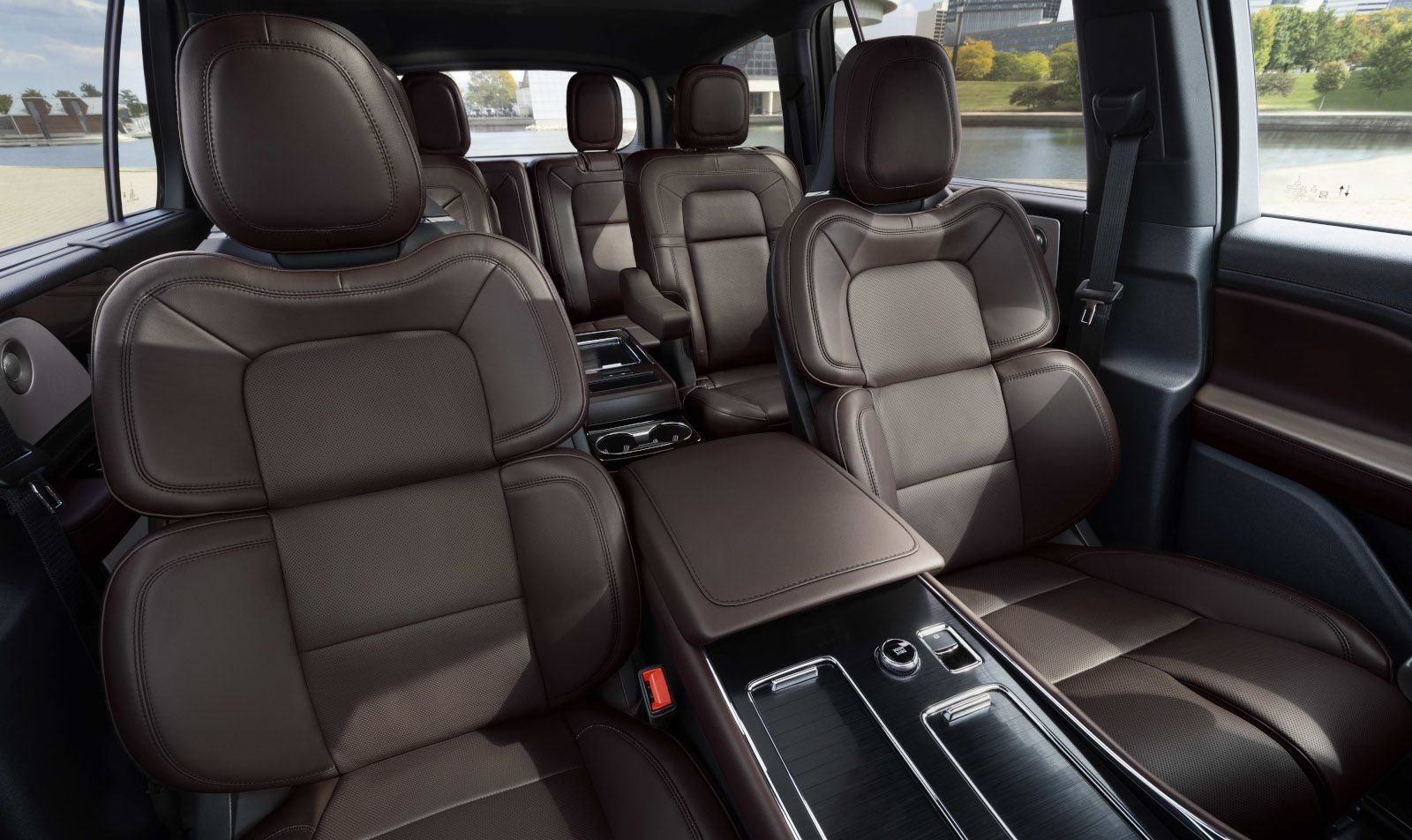
The Aviator's three-row configuration accommodates up to seven passengers, with genuine usable space in the third row for adults on shorter trips or children for extended journeys. Heated and ventilated first-row seats provide climate control, while the power, heated steering wheel adds cold-weather comfort. The Panoramic Vista Roof extends natural light throughout all three rows, creating an open cabin atmosphere.
The Nautilus seats five passengers across two rows, focusing its interior volume on first and second-row comfort rather than maximum capacity. The available 24-Way ideal Position Driver and Passenger Seats offer extensive adjustability, including lumbar and bolster controls. The flat-top steering wheel and piano key shifter contribute to the Nautilus's distinctive interior design language.
Families requiring regular third-row access for carpools, extended family trips, or youth sports transportation will find the Aviator's configuration addresses their needs directly. The Nautilus excels for couples or small families who value rear-seat spaciousness and don't need the flexibility of a third row. Both vehicles deliver premium materials and craftsmanship, but the Aviator's larger footprint provides more versatility for varying passenger loads.
Technology Integration and Digital Experience
Both vehicles feature the Lincoln Digital Experience, integrating Google Assistant, Alexa built-in controls, Apple CarPlay, and Android Auto. The systems support over-the-air software updates and 5G wireless connectivity, ensuring long-term relevance as new features become available.
The Aviator employs a dual-screen layout with a 13.2-inch touchscreen and 12.4-inch digital cluster screen. This configuration separates navigation and infotainment controls from driver information, reducing the need to switch between display modes. Wireless phone charging and Phone as a Key functionality eliminate cable management. The Auto Air Refresh system monitors cabin air quality and activates filtration when needed.
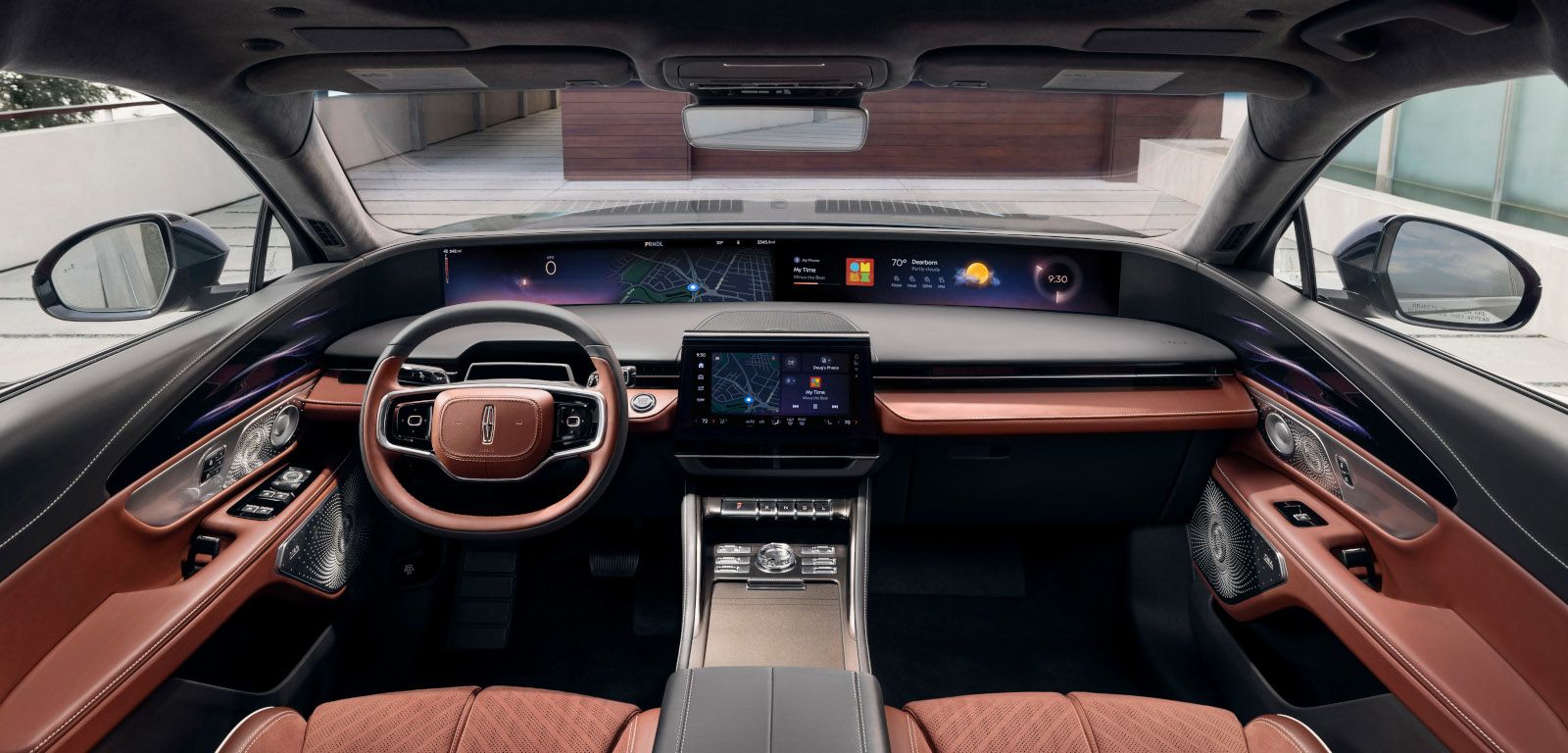
The Nautilus introduces a 48-inch panoramic display that spans the dashboard, creating a single continuous screen experience. This design integrates the 11.1-inch centre-stack touchscreen into a broader visual field. The available Revel Ultima 3D Audio System delivers concert-hall acoustics, while Lincoln Digital Scent allows occupants to select cabin fragrances. The Jet Appearance Package adds visual distinction with unique exterior and interior treatments.
Drivers who prefer traditional screen separation and straightforward interface layouts will appreciate the Aviator's dual-screen approach. The Nautilus appeals to buyers who want the latest display technology and distinctive design elements that set their vehicle apart visually. Both systems support the same core apps including Spotify, Amazon Music, Audible, iHeartRadio, and SiriusXM with 360L, along with Vivaldi Browser for web access.
Advanced Driver Assistance and BlueCruise
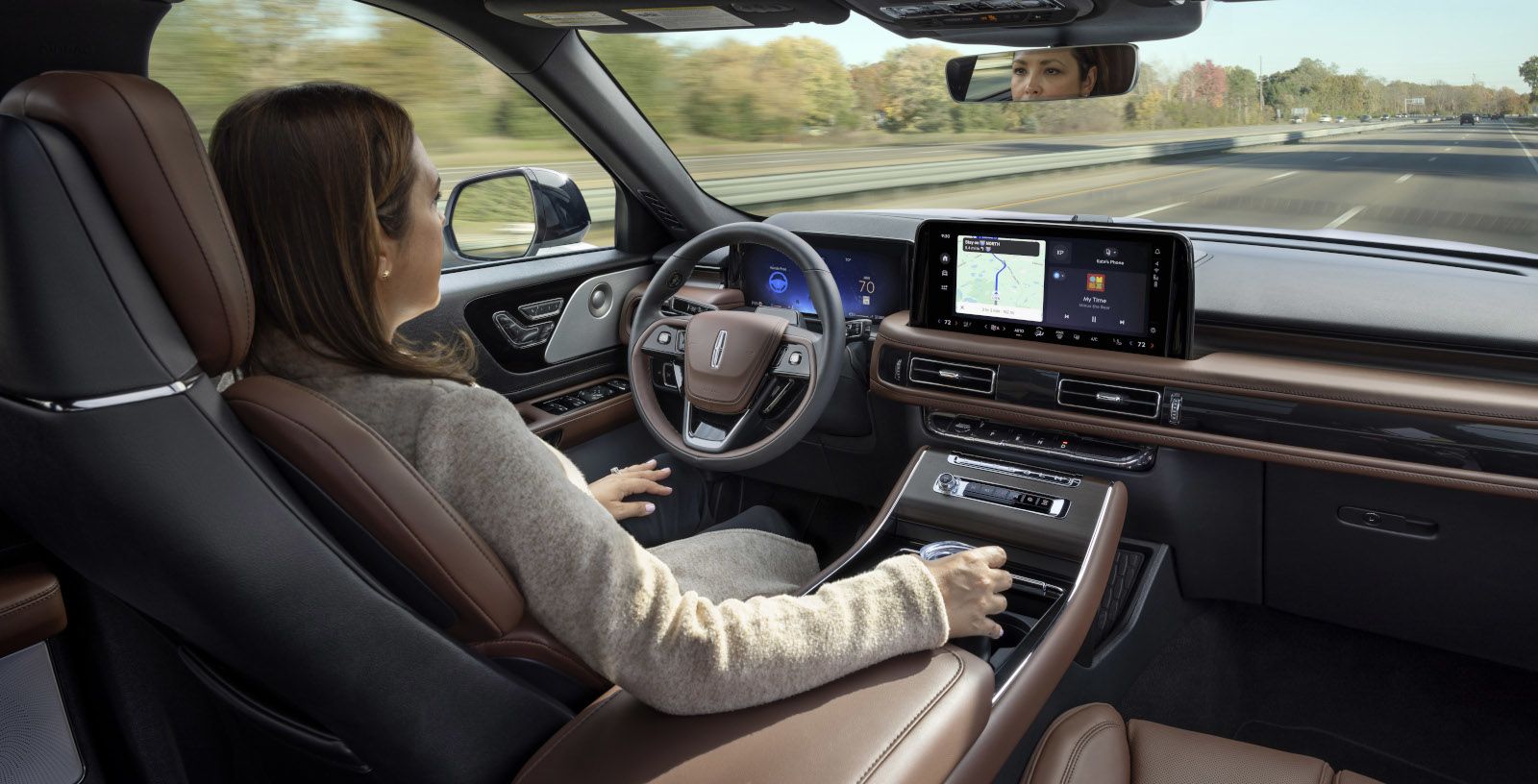
The Aviator includes Lincoln Co-Pilot 360 2.1, featuring Evasive Steering Assist, Lane-Keeping System with Blind Spot Information System, 360-degree camera, front and rear parking sensors, Reverse Brake Assist, Lane Change Assist, and In-Lane Repositioning. BlueCruise hands-free highway driving operates on pre-mapped divided highways, allowing drivers to remove their hands from the wheel while the system maintains lane position and speed. The system requires driver attention monitoring through an infrared camera.
The Nautilus offers similar Advanced Driver Assistance System capabilities, including Lane Change Assist, In-Lane Repositioning, and BlueCruise hands-free highway driving. H2 Pixel Headlamps provide adaptive lighting patterns that adjust beam direction based on steering input and oncoming traffic, while LED taillamps with animation create distinctive lighting signatures.
Both vehicles deliver comparable active safety technology, making this category a functional tie. The decision between them won't hinge on driver assistance features, as Lincoln has standardized its most advanced systems across both models. Ontario drivers who frequently travel Highway 400-series routes will benefit equally from BlueCruise functionality regardless of which vehicle they choose.
Trim Levels and Customization
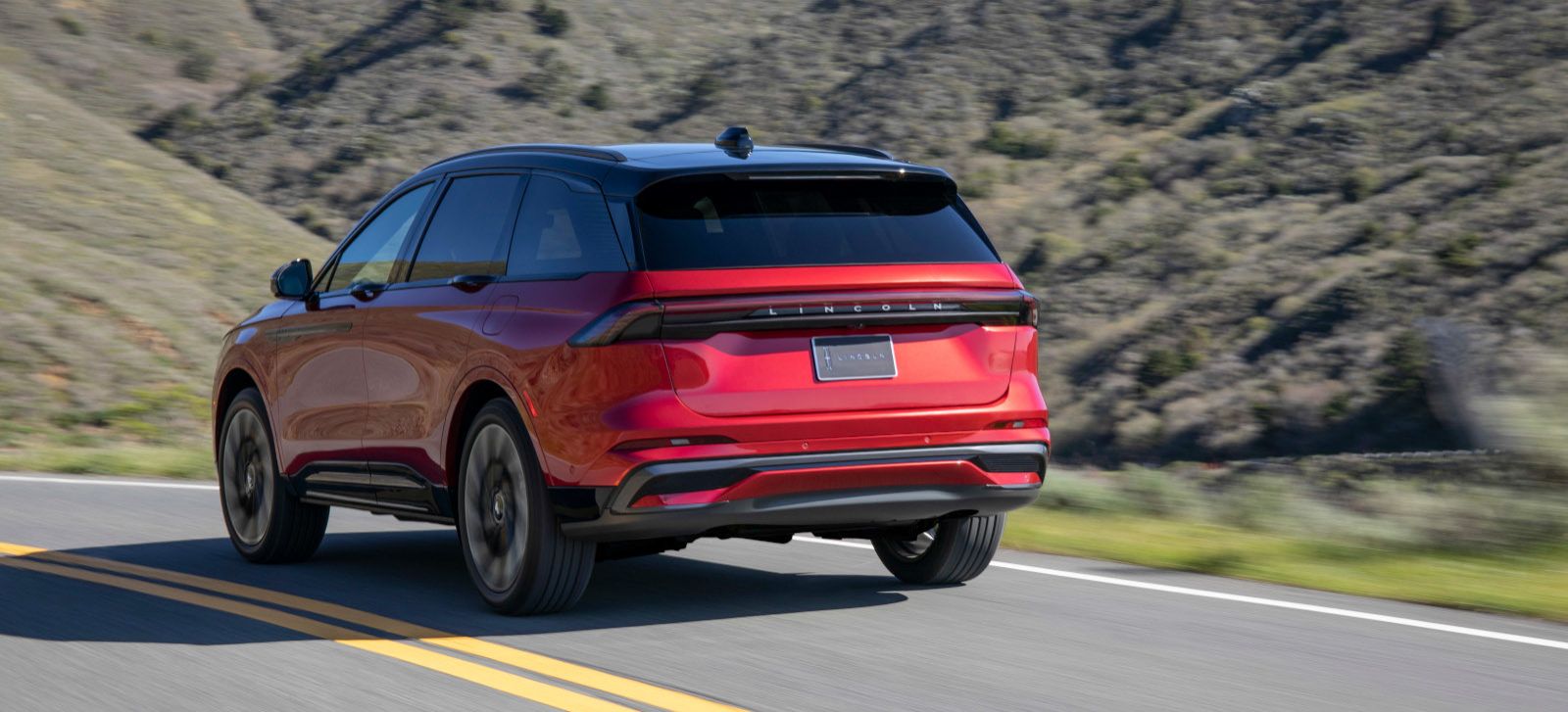
The Aviator offers Premiere and Reserve trims. The Premiere trim establishes the luxury foundation with standard features including the 13.2-inch touchscreen, BlueCruise, heated and ventilated front seats, and 20-inch wheels. Adding the Jet Package upgrades to 21-inch bright-machined aluminum wheels with dark alloy-painted pockets. The Reserve trim enhances materials and equipment, with the Jet Package providing 22-inch black aluminum wheels for a more aggressive stance.
The Nautilus also uses Premiere and Reserve trim designations. The Premiere delivers the 48-inch panoramic display, Lincoln Digital Experience, and standard safety systems. The Reserve adds exclusive interior themes including Black Onyx and Allura Blue colour combinations, along with additional luxury appointments.
Buyers who prioritize wheel design and exterior presence will find the Aviator's larger wheel options (up to 22 inches) create more visual impact. The Nautilus focuses customization on interior ambiance and display technology, appealing to drivers who spend more time appreciating cabin details than exterior styling. Both approaches serve different aesthetic priorities within the Lincoln luxury framework.
The Aviator Advantage for Three-Row Luxury
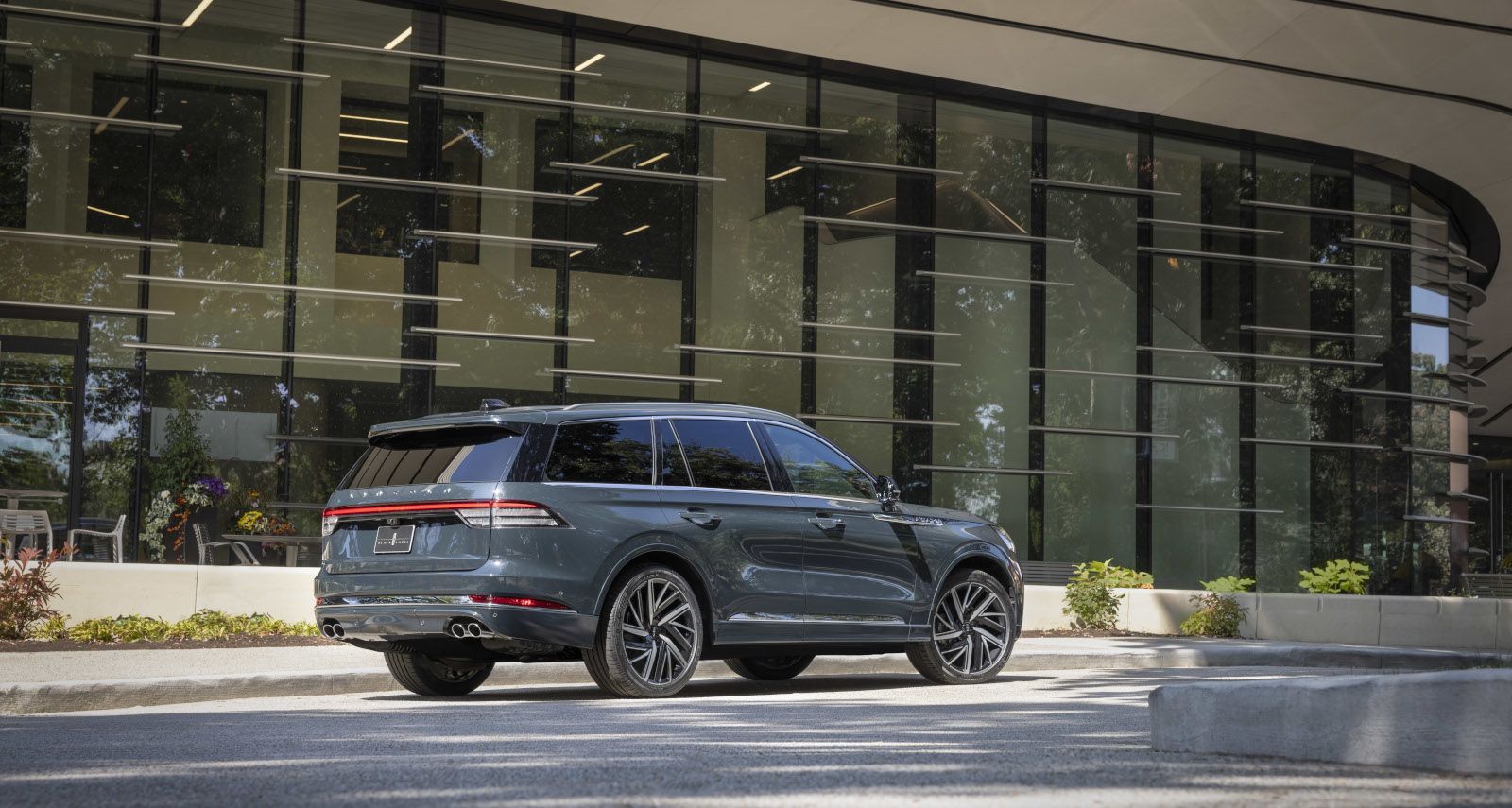
The 2025 Lincoln Aviator delivers what the Nautilus cannot: genuine three-row seating combined with 400-horsepower performance. Families who need to transport more than five passengers regularly, or buyers who want the flexibility to accommodate varying passenger loads, will find the Aviator addresses requirements the two-row Nautilus simply doesn't meet. The 90-plus horsepower advantage over even the Nautilus hybrid provides stronger acceleration and superior towing capability for boats, trailers, or campers.
While the Nautilus offers the distinctive 48-inch panoramic display, this advantage serves specific buyer priorities rather than universal needs. The Aviator's dual-screen layout, more powerful engine, and three-row configuration position it as the flagship choice for buyers who prioritize capability and space. The Adaptive Suspension, comprehensive technology suite with BlueCruise, and Lincoln's signature luxury appointments create a strong package for Ontario families.
The Nautilus remains an excellent choice for couples or small families who don't need third-row seating and value hybrid efficiency. However, for buyers seeking Lincoln's most capable luxury SUV with room for seven, commanding performance, and the versatility to handle diverse transportation needs, the Aviator offers the stronger investment. Visit Bayfield Lincoln to experience how the Aviator's three-row luxury and powerful twin-turbo V6 align with your family's requirements.
You might also be interested in these blogs: